
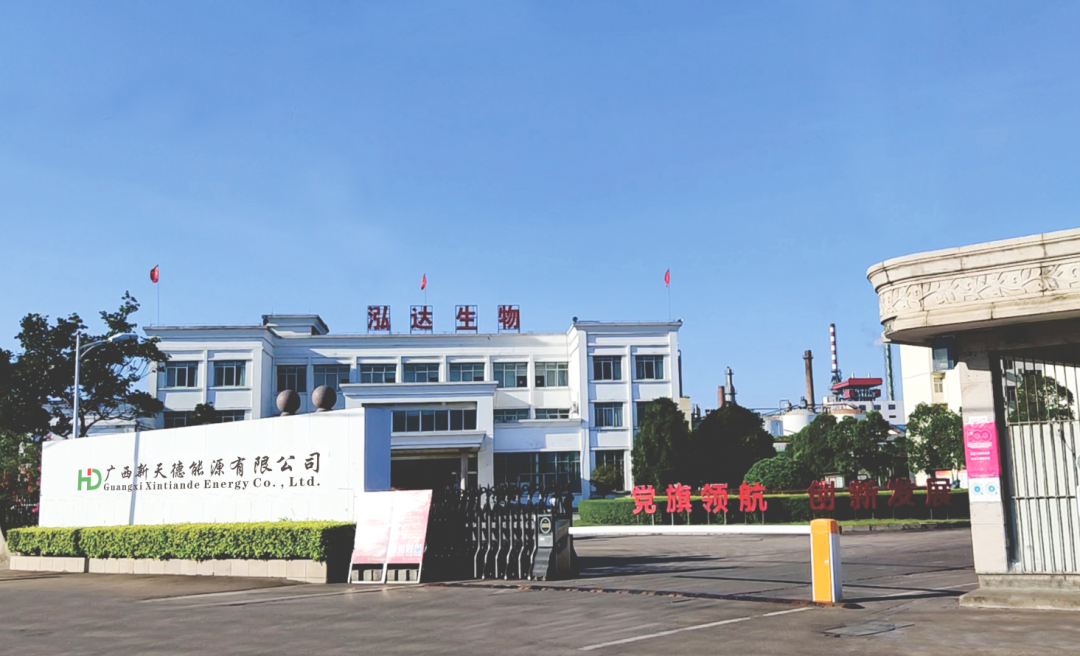
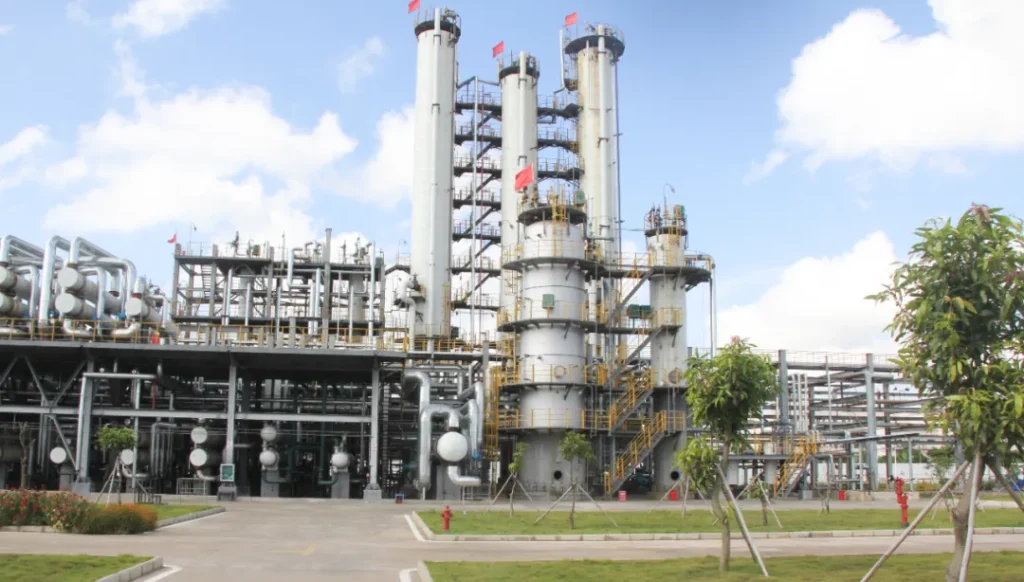
In the factory area, rows of production towers stand tall, gleaming with a metallic luster; various massive pipelines are arranged in an orderly manner, crisscrossing vertically; the entire production line operates 24 hours without interruption, producing alcohol and various alcohol deep-processing products... Recently, reporters visited the Qinzhou Port Area of the China (Guangxi) Pilot Free Trade Zone and toured the production site of Guangxi Xintiande Energy Co., Ltd.
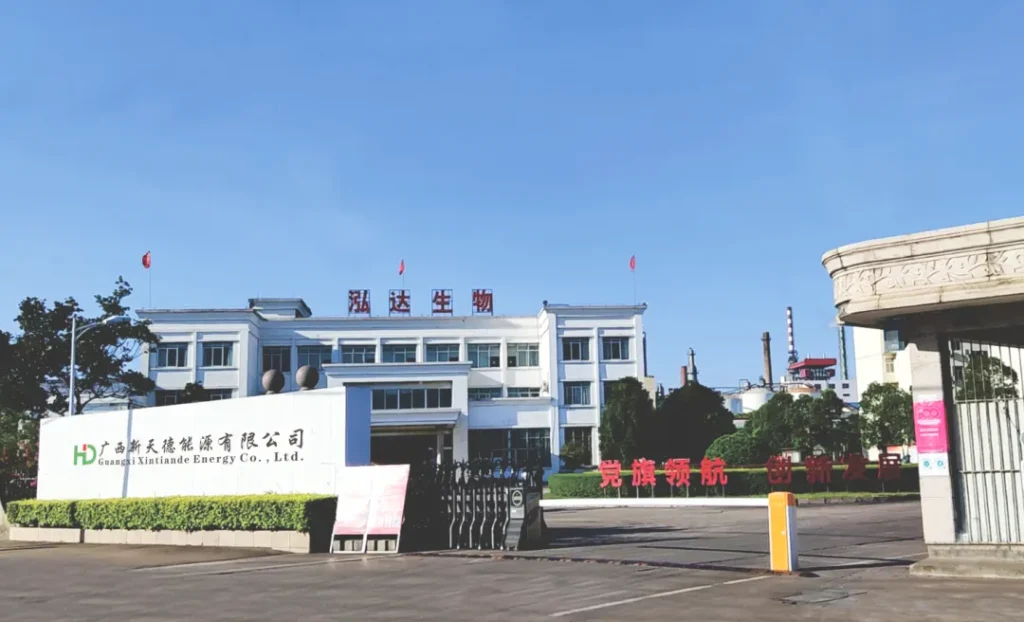
“Our research project on novel pyridine catalysts features a self-developed continuous production process facility. From pyridine to pyridine derivatives, our product supply share enjoys international competitive advantages,” the company's deputy general manager proudly told reporters.
Guangxi Xintiande Energy Co., Ltd. is a bio-based chemical raw material manufacturing enterprise that produces alcohol from crops such as cassava and corn. In just a few short years, this once obscure small enterprise has leapfrogged to become a national-level high-tech enterprise with competitive advantages in the industry.
What is the core driving force behind the company's leapfrog development? — A focus on innovative R&D and keen market foresight.
According to reports, in recent years the company's research team has continuously explored breakthrough new technologies, conducting research centered on biomass, low-carbon, new materials, and circular economy. They have persistently tackled difficulties, improved the company's product structure, and extended the product chain. With 78 patents and 3 Guangxi industrial new technologies and new products, the company has become an emerging force in the biology and new medicine field. In particular, its sales revenue growth rate hit new highs for two consecutive years recently, topping the list of Guangxi's 2023 Top Ten Gazelle Enterprises.
“In the fierce market competition, customers are imposing increasingly strict requirements on products. It is urgent to apply new technologies to improve product quality while reducing enterprise costs,” said Liu Jiangyong, production manager of the company's acetate workshop. As a member of the technical breakthrough team for the annual production of 150,000 tons of ethyl acetate project, he personally experienced the difficult process of the project's product production going from high energy consumption to low energy consumption, and product purity increasing from 99.85% to 99.9%.
“An increase of 0.05% — the number may seem small, but the technical difficulty is enormous. Once a breakthrough is made, it can reach the industry-leading level,” Liu Jiangyong introduced. The technical team cooperated with relevant research institutions and, after thousands of experiments, continuous attempts, and constant adjustments and improvements, finally found the breakthrough.
“This single technological breakthrough alone saves us tens of millions of yuan annually in water, electricity, and steam costs, and the improvement in product purity has also given us a larger market share,” said Liu Jiangyong.
Lü Fanglei introduced that through technological innovation, the company has evolved from a single alcohol production operation into three major industrial chains: deep processing of alcohol into acetaldehyde and pyridine-series pharmaceutical intermediates, deep processing of alcohol into ester solvents such as ethyl acetate and propyl acetate, and a bio-based green circular economy chain. It is currently building a fourth industrial chain — fine chemicals downstream of alcohol and alcohol-based new materials.
In recent years, the company has been awarded honors including “National Non-Grain Biomass Energy Engineering Technology Research Center — Cassava Fuel Alcohol New Technology Industrialization Demonstration Base,” “National High-Tech Enterprise,” and “National-Level Specialized, Refined, Distinctive, and Innovative Little Giant Enterprise.”
This article is reposted from the WeChat public account @China (Guangxi) Pilot Free Trade Zone Qinzhou Port Area.